

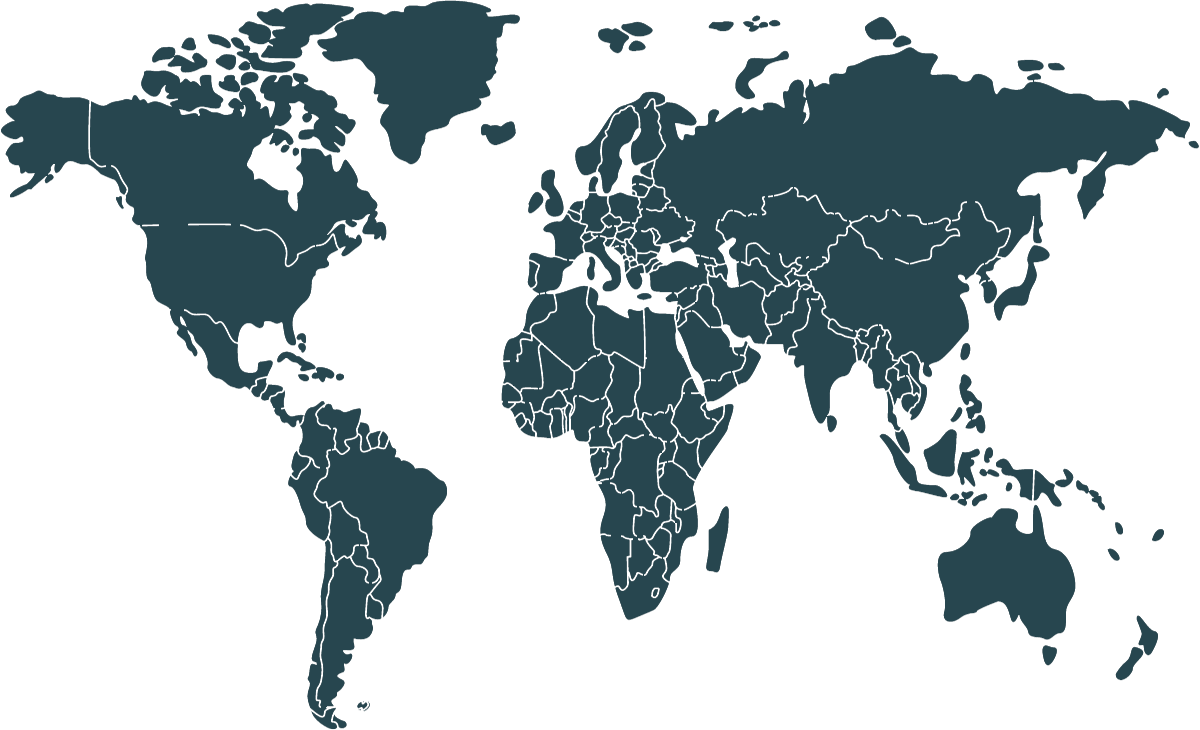
The I-TRACK Foundation has approved Maldives for I-REC(E) issuance following a country assessment of the Maldives electricity sector, including its generation mix, market structure, existing energy policies, and the potential for an environmental attribute tracking system.
GCC as the Issuer in the Maldives
To facilitate issuance, the Green Certificate Company (GCC) has been appointed as the I-REC(E) Issuer for the Maldives. GCC will oversee the registration and certification of electricity generators, ensuring compliance with the International Attribute Tracking Standard (Standard) until a local Issuer can be approved.
Maldives
The Republic of Maldives is a nation of 1,192 islands in the Indian Ocean, including 187 inhabited islands and 168 resort islands. The country has experienced considerable economic growth over the past four decades in sectors including tourism, fisheries, sea transport, and construction. However, Maldives remains heavily reliant on imported fossil fuels, with fuel imports accounting for approximately 13.5% of GDP in 2023.
Maldives has abundant renewable energy resources, including solar, wind, and ocean energy. Solar PV is currently the principal renewable energy technology deployed at scale, with projects integrated with diesel generation and increasingly paired with battery storage. As of July 2024, Maldives had an installed electricity capacity of 600 MW, of which 532 MW was from fossil and thermal generation and 68 MW was from solar PV. Solar PV accounted for approximately 6% of all electricity consumed in the country.
The electricity market in Maldives is largely regulated and utility-led. Generation, distribution, and retail services on the 187 inhabited islands are dominated by the two state-owned utility companies, while resort islands generally operate their own generation facilities. Each island maintains its own grid system, with no interconnections between islands or with other countries.
The Government of the Maldives has set a target of 33% renewable energy in electricity consumption, meaning that 800 GWh must come from renewable sources. The Maldives currently has 68.5 MW of solar PV installed, with an additional 90 MW under development, and achieving the Government’s targets is expected to require approximately 330 MW of additional renewable energy capacity.
National actors are generally supportive of an EAC system, as it promotes renewable energy development in Maldives. While concerns have been raised regarding potential impacts on other carbon frameworks and mechanisms, no objections to I-REC(E) deployment have been raised to date. There are currently no existing or public plans to establish a national EAC system in Maldives, and with no compliance mandates and voluntary demand for renewable energy attributes, I-REC(E) deployment can be undertaken as a private-sector activity without competing with an existing or planned EAC system.
The I-TRACK Foundation is pleased to approve Maldives for I-REC(E) issuance, supporting the development of transparent environmental attribute tracking in a country seeking to increase renewable energy deployment and reduce its reliance on imported fossil fuels.